
- TMD Tour
- 17 Jun 2026
Best Casablanca to Marrakech Day Tour in One Day
A Casablanca to Marrakech day tour is one of the most exciting ways to experience two different sides of Morocco in a single journey. The first city is modern, coastal, business-minded, and shaped by the Atlantic, while Marrakech is warm, colorful, historic, and full of movement. Traveling from Casablanca for the day gives visitors the chance to leave behind the wide boulevards and ocean air of Morocco’s largest city and step into the atmosphere of the Red City, where palaces, gardens, traditional markets, mosques, spices, crafts, and lively squares create one of the most memorable travel experiences in the country. Casablanca To Marrakech Day Tour The Casablanca to Marrakech day tour is part of the adventure. Many travelers choose a private car or organized trip because it allows flexibility, hotel pick-up, and the chance to travel directly without worrying about transfers. Others prefer the train, which is a comfortable and practical option for independent visitors. The route connects two of Morocco’s most important cities and usually takes around three hours each way, depending on the service and schedule. Because a Casablanca to Marrakech day tour involves several hours on the road or rail, an early departure is highly recommended. Leaving in the morning gives travelers enough time to enjoy the main highlights of Marrakech before returning in the evening. With TMD Tour, as the journey begins, Casablanca slowly gives way to open landscapes, agricultural plains, small towns, and the changing colors of central Morocco. The contrast becomes more noticeable as Marrakech approaches. Air feels drier, light becomes warmer, and ochre-colored buildings begin to appear. Marrakech has a distinctive identity, often called the Red City because of the reddish tones of its walls and traditional architecture. For many visitors arriving from Casablanca, this first view feels like entering a different rhythm of Morocco, one that is older, more theatrical, and closely tied to the country’s imperial past. A good Casablanca to Marrakech day tour usually starts with the historic heart of the city. Koutoubia Mosque is one of the most famous landmarks in Marrakech and an important reference point for exploring the medina. Its tall minaret can be seen from different parts of the city, making it both a spiritual symbol and a visual guide. While non-Muslim visitors cannot enter the mosque, the exterior and surrounding gardens are still worth visiting. The building’s elegant proportions, reddish stone, and decorative details reflect the architectural heritage of Marrakech. It is also a peaceful place to pause before entering the busier streets of this Casablanca to Marrakech day tour. Jemaa El Fna is the soul of Marrakech and one of the main reasons many travelers choose a Casablanca to Marrakech day tour. The square is full of orange juice stands, street performers, henna artists, snake charmers, storytellers, musicians, and people passing in every direction. It is not simply a sightseeing stop, but a living stage where Moroccan daily life, tourism, tradition, and performance all meet. For first-time visitors, Jema El Fna can feel overwhelming, but that is part of its appeal. The sounds, smells, colors, and constant movement create a sensory experience that is difficult to find anywhere else. From Jema El Fna, the medina is only a few steps away. Wandering through the traditional markets is one of the highlights of a Marrakech day trip. Narrow lanes are filled with lamps, leather bags, handmade carpets, spices, ceramics, jewelry, slippers, woodwork, and metal crafts. The traditional markets are not just shops, but workshops, meeting places, and cultural spaces where traditional skills are still visible. Travelers on a Casablanca to Marrakech day tour may not have enough time to explore every corner, but even a short walk gives a strong impression of the local craftsmanship. Bargaining is common, and visitors should approach it with patience and good humor. The experience is often as much about conversation as it is buying. Another essential stop on a Casablanca to Marrakech day tour is Bahia Palace, which is one of the city’s most beautiful examples of Moroccan architecture. Its courtyards, carved wood, painted ceilings, marble, zellige tilework, and peaceful gardens show the refinement of traditional design. Built in the late nineteenth century, Bahia Palace was created to impress, and it still does. Walking through its rooms and open spaces offers a quieter contrast to the energy of Jema El Fna and the traditional markets. It is a place where visitors can slow down, admire details, and imagine the elegance of palace life in historic Marrakech. For travelers who love gardens, Jardin Majorelle is another excellent addition to the Casablanca to Marrakech day tour. This famous garden is known for its vivid blue buildings, exotic plants, cactus collections, shaded paths, and artistic atmosphere. It offers a completely different mood from the medina. After the noise and movement of the old city, Jardin Majorelle feels calm and carefully composed. It is especially popular with photographers because of its strong colors and beautiful contrasts. Since it is one of the most visited attractions in Marrakech, it is wise to plan ahead and allow enough time for entry, especially during busy travel periods. Lunch is an important part of the experience. A Casablanca to Marrakech day tour should include time to enjoy Moroccan cuisine, whether in a traditional restaurant, a rooftop terrace, or a traditional house setting. Marrakech is known for dishes such as tagine, couscous, grilled meats, Moroccan salads, pastilla, and tanjia, a local specialty associated with the city. Eating on a rooftop near the medina can be especially enjoyable because it gives travelers a chance to rest while looking over the rooftops, minarets, and busy streets below. A glass of mint tea is almost essential, not only as a drink but as part of the rhythm of Moroccan hospitality. The best Casablanca to Marrakech day tours balance guided sightseeing with free time. A knowledgeable guide can explain history of the monuments, help visitors navigate the medina, and give cultural context that would be easy to miss alone. At the
- TMD Tour
- 17 Jun 2026
Tangier to Chefchaouen Tour: Visit Morocco’s Famous Blue City
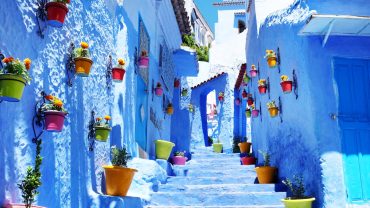
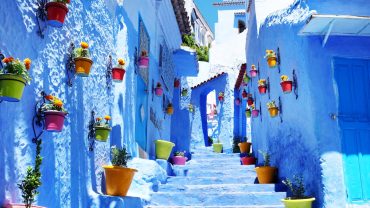
A Tangier to Chefchaouen tour is one of the most beautiful travel experiences in northern Morocco. It combines the energy of a historic coastal city with the peaceful charm of one of the most photographed mountain towns in the country. Tangier, with its mix of Moroccan, European, African, and Mediterranean influences, is often the starting point for travelers arriving by ferry, cruise ship, airport, or train. From there, the road to Chefchaouen offers a scenic journey through rolling hills, rural villages, green landscapes, and the rising peaks of the Rif Mountains. Tangier To Chefchaouen Tour By the time visitors arrive for a Tangier to Chefchaouen tour, they feel as if they have entered a completely different world. The journey usually takes around two to three hours by car, depending on traffic, road conditions, and stops along the way. Although the distance is not very long, the route is full of changing scenery. Leaving Tangier, the busy streets gradually give way to quieter roads, farmland, olive groves, and mountain views. For many travelers, the drive itself becomes an important part of the Tangier to Chefchaouen tour. It offers a glimpse of daily life in northern Morocco, away from the major tourist centers. Shepherds, roadside cafés, small markets, and traditional houses appear along the route, creating a relaxed and authentic atmosphere. Chefchaouen is often called the Blue City because of its famous blue-painted streets, walls, doors, and stairways. The town sits in the Rif Mountains and has a calm, welcoming feeling that makes it different from larger Moroccan cities. The blue color is one of the main reasons people choose a Tangier to Chefchaouen tour, but the town is much more than a beautiful background for photos. For TMD Tour, it is a place with history, culture, mountain air, traditional crafts, and a slower rhythm of life. A trip from Tangier allows visitors to experience all of this in a single day or as part of a longer northern Morocco itinerary. The Tangier to Chefchaouen tour begins in the morning. Travelers are usually picked up from their hotel, port, airport, or another agreed meeting point. Starting early is a good idea because it gives more time to enjoy Chefchaouen without feeling rushed. The morning light is also ideal for photography, especially once you arrive in the blue medina. The drive is comfortable and offers many chances to stop for panoramic views. Some travelers like to pause for coffee or mint tea along the way, while others prefer to continue directly to Chefchaouen and spend as much time as possible exploring the town. When you arrive for this Tangier to Chefchaouen tour, one of the first things you notice is the relaxed atmosphere. The medina is smaller and calmer than the old towns of Fez or Marrakech, making it easy and enjoyable to explore on foot. Narrow streets wind up and down the hillside, passing blue walls, decorated doors, flower pots, small shops, and hidden corners. Every turn seems to reveal another charming scene. The medina is perfect for walking slowly, taking photos, and enjoying the peaceful setting. Unlike larger cities, Chefchaouen invites you to take your time rather than hurry from one monument to another. A guided walk through this Tangier to Chefchaouen tour can help visitors understand the history and culture of the town, as it was founded in the 15th century and became a place of refuge for people from different backgrounds, including Andalusian Muslims and Jews who left Spain. This history influenced the town’s architecture, traditions, and identity. The white and blue houses, tiled roofs, narrow lanes, and mountain setting all give Chefchaouen a distinct character. A local guide can explain the stories behind neighborhoods, traditional ovens, public fountains, and the role of crafts in local life. One of the central places to visit during a Tangier to Chefchaouen tour is the main square, Plaza Uta el-Hammam. This lively but relaxed landmark is surrounded by cafés, restaurants, shops, and historic buildings. It is a good place to sit for a while, drink mint tea, and watch local life unfold. The square is also home to a restored fortress with gardens and a small museum. Visiting it gives travelers a chance to learn more about the town’s past and enjoy views over the medina from the tower. Even if you do not enter the fortress, the square is still an essential stop during the visit. Another highlight of a Tangier to Chefchaouen tour is the chance to discover local handicrafts. The town is known for woven blankets, wool garments, leather goods, handmade bags, pottery, spices, and traditional Moroccan souvenirs. The shopping experience here is often more relaxed than in larger cities. Shopkeepers usually welcome visitors warmly, and many products reflect the mountain culture of the region. Buying something handmade in Chefchaouen is not only a souvenir but also a way to support local artisans and preserve traditional skills. Food is also an important part of the experience. During the Tangier to Chefchaouen tour, travelers can enjoy a traditional Moroccan lunch in a local restaurant, often overlooking the square or hidden inside the medina. Popular dishes include tagine, couscous, grilled meats, fresh salads, harira soup, and locally made goat cheese, which is a specialty of the region. A meal in Chefchaouen is usually simple, flavorful, and satisfying. Many visitors remember the combination of mountain views, blue streets, and warm Moroccan hospitality as much as the food itself. For those who enjoy nature, a Tangier to Chefchaouen tour also offers access to beautiful viewpoints and mountain paths. One of the most popular short walks is toward the Spanish Mosque, located on a hill outside the medina. The walk takes some effort, but the reward is a wonderful panoramic view of the blue town and the surrounding mountains. Sunset from this area is especially beautiful, although day tours from Tangier may need to leave before evening depending on the schedule. Even without a long hike, the natural setting of Chefchaouen adds freshness
- TMD Tour
- 17 Jun 2026
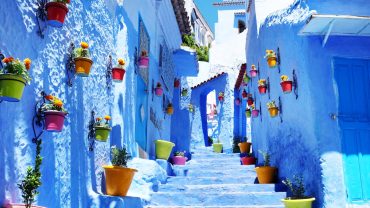
A Chefchaouen tour from Tangier is one of the most memorable day trips in northern Morocco. It combines a scenic mountain journey, rich cultural discovery, relaxed walking, beautiful photography, traditional food, and the peaceful charm of one of Morocco’s most famous towns. Known as the Blue Pearl of Morocco, Chefchaouen attracts travelers from around the world because of its blue-painted streets, whitewashed houses, mountain views, artisan shops, and calm atmosphere. Chefchaouen Tour From Tangier Starting the Chefchaouen tour from Tangier makes the experience even more convenient, especially for visitors who arrive by ferry, cruise ship, airport transfer, or who are staying in the city for a few days. The journey from Tangier to Chefchaouen is part of the adventure. Leaving coastal energy behind, the road gradually moves toward the Rif Mountains, passing green hills, small villages, farms, olive groves, and wide landscapes that show a quieter side of Morocco. With TMD Tour, the drive usually takes around two hours, depending on traffic, weather, and the number of stops along the way. Many travelers enjoy stopping for photos because the views become more beautiful as the road gets closer to Chefchaouen. Mountains rise in the distance, air feels fresher, and pace of life seems to slow down before you even arrive. A private Chefchaouen tour from Tangier is ideal for travelers who want comfort and flexibility. With a private driver or guided Chefchaouen tour from Tangier, visitors can be picked up directly from their hotel, the port, or the airport. This saves time and avoids the stress of arranging public transport. A private tour also allows more freedom during the day. You can stop for panoramic views, spend more time in the medina, enjoy a relaxed lunch, visit local shops, or return to Tangier at a convenient hour. For families, couples, small groups, photographers, and first-time visitors to Morocco, this type of tour offers a smooth and enjoyable way to experience Chefchaouen. The first impression of this Chefchaouen tour from Tangier is unforgettable. The town sits beneath mountains, with blue and white buildings climbing the hillside. Once inside the old medina, narrow lanes open into small squares, arched doorways, painted staircases, and quiet corners filled with color. The shades of blue vary from pale sky blue to deep indigo, creating a magical atmosphere that feels different from other Moroccan cities. Unlike the busy medinas of Marrakech or Fez, Chefchaouen is usually more relaxed and easier to explore on foot. This makes it a wonderful destination for travelers who want beauty, culture, and calm in the same experience. Walking through the medina is the highlight of a Chefchaouen tour from Tangier. Every street seems to offer a new scene, such as a blue doorway decorated with flowerpots, a cat sleeping on painted steps, woven rugs hanging from shop walls, or sunlight falling across a quiet alley. A Chefchaouen tour from Tangier is the perfect choice for photography, but it is also a place to enjoy slowly. The best way to experience it is not to rush from one attraction to another. Instead, visitors should take time to wander, look up at the details, speak kindly with shopkeepers, and enjoy the peaceful rhythm of the town. A guided visit can add more meaning to the experience. A local guide can explain the history of Chefchaouen, Andalusian influence, mountain culture, and traditions that shape daily life. The town has a long history and has been influenced by different communities over the centuries. Its architecture, narrow lanes, tiled details, and relaxed lifestyle reflect a mix of Moroccan and Andalusian character. Learning about this background helps visitors understand that Chefchaouen is not only beautiful for photos, but also a living town with deep cultural roots. One of the main places to visit during a Chefchaouen tour from Tangier is the central square, known as Place Outa el Hammam. This is the heart of the medina and a good place to rest, drink mint tea, and watch local life. Around the square, visitors will find cafés, restaurants, small shops, the old fortress, and views of the surrounding buildings. The fortress is an important highlight of this Chefchaouen tour from Tangier and gives the square a traditional atmosphere. Many travelers enjoy sitting here after walking through the medina, especially in the afternoon when the light becomes softer and the town feels even more peaceful. Shopping is another enjoyable part of a Chefchaouen tour from Tangier. The town is known for handicrafts, woven blankets, wool garments, leather goods, pottery, handmade soaps, spices, and local souvenirs. Compared with larger Moroccan cities, shopping in Chefchaouen can feel more relaxed. Visitors can browse slowly, ask about handmade products, and choose meaningful items to take home. Blue-themed souvenirs are especially popular, but the best purchases are often the ones made by local artisans, such as a woven scarf, a small ceramic piece, or a traditional rug. Food also plays an important role in the Chefchaouen tour from Tangier, as it is a great opportunity to enjoy Moroccan cuisine in a mountain setting. Many restaurants serve tagine, couscous, grilled meats, fresh salads, olives, homemade bread, and sweet mint tea. Some terraces offer beautiful views over the blue medina and the surrounding mountains. Having lunch in Chefchaouen is not only about eating, but a chance to pause, enjoy the atmosphere, and take in the beauty of the town from above. A relaxed meal makes the day feel complete and gives visitors more energy to continue exploring. For travelers who love nature, a Chefchaouen tour from Tangier offers more than blue streets. The town is surrounded by the Rif Mountains, which makes it a good starting point for short walks and scenic viewpoints. One popular option is walking toward the Spanish Mosque viewpoint, which offers a wide view over the medina and mountains. Even if the tour is only for one day, this short walk can be a rewarding addition, especially for those who enjoy photography and panoramic landscapes. From above, the town looks like
 English
  French
Comment (0)